11 Ways To Completely Sabotage Your Upvc Door Repair


How Much Does uPVC Door Repair Cost?
The price of repair to a door made of Upvc can differ greatly based on the size and location of the crack in addition to how long it takes to complete the repairs. It can also vary based on whether repairs or replacements are selected.
Floppy door handles are usually an indication of an unrepaired gearbox on your uPVC doors. They should be repaired by an expert.
Cracks
Cracks in doors made of uPVC can develop over time. This is typically due to wear and tear or temperature fluctuations. Cracks like this are not just ugly, but they could also pose a safety risk. Fortunately, this type of problem is usually easily fixed using a uPVC repair kit.
Once the crack has cured, you can fill it in and then sand to create a smooth finish. This will help restore the integrity of uPVC and will also stop further damage. This is only temporary relief. It is best to repair the uPVC as quickly as you can in order to prevent further damage.
It is crucial to find an expert who has experience in repairing and replacing uPVC doors panels. They are able to deal with these issues efficiently. You can find out the level of experience that a professional has by go through their social sites and social media profiles. This will give you an idea of how great their work is and how satisfied their previous clients have been with their service.
One of the most important factors that can affect how expensive a uPVC repair job is going to be is the extent of the damage to the uPVC. This is due to the greater the damage the more materials will need to be utilized to carry out the repair. This will increase the overall cost of repair work.
Another thing that can cause an uPVC door repair bill to be higher is the difficulty of the work to be carried out. It is because more complex repairs require the use of specialist tools to be done correctly.
This is because the work that needs to be completed will likely require re-aligning hinges, or replacing locks. This kind of work can be extremely difficult to accomplish and is best done by a professional.
Snags
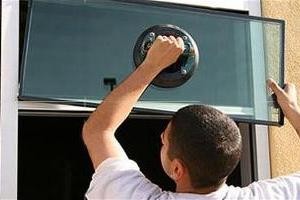
It's important that you fix your uPVC snag as soon as you can. This will help ensure that your home is secure and that intruders won't be able to gain entry through the back or front of your home. Filler or adhesive that is made for uPVC doors to fix any snag. If your uPVC door has been damaged in a significant way or is particularly old, it could be better to hire an expert to repair it.
The most frequent issue with the uPVC door is the lock mechanism, which can become dislocated or loose over time. In this scenario the door will become difficult to unlock and the key may not fit. Fortunately, this problem is simple to fix. A professional can reposition the hinges, rollers and latches in order to ensure they all work properly. They can also lubricate the hinges and rollers to reduce friction and facilitate door movement.
The lock's cylinder might not be working correctly. If the key isn't able to fit inside of it or if the door does not lock properly the cylinder has to be replaced. This is a relatively simple process, but it's best to leave this work to a professional.
Depending on the type and degree of damage to the uPVC door the cost of repairs will vary considerably. However, there are general guidelines to follow to determine how much the work will cost.
The costs for the uPVC repair to a door will depend on the type and extent of the damage, in addition to any other materials that might be required to complete the work. If the door is painted for instance, the cost will be more expensive.
A professional will have access to top-quality materials and tools that have been specially designed for uPVC repairs, which will ensure that the repaired surface is in perfect harmony with the original finish. This will stop the issue from recurring in the future. In addition professionals will be able to perform repairs faster and more efficiently than a homeowner would be capable of performing on their own.
Leaks
Leaks are among the most common problem with windows and doors made from upvc. It is not always caused by a worn or damaged rubber seal. They could be caused by dirt in drainage ports. These are tiny holes which direct water away from your frame. Pour water into the drainage ports to see whether they are clean. It is best to test each one separately so you can determine which one is blocked.
To do this, you'll be required to identify your drainage ports. These are holes at the bottom of your frame these are designed to drain away rainwater or condensation. You should be able open and close them using the help of a screwdriver. Once they are opened you can then make use of the screwdriver inside to clean out any debris. You can also use a vacuum that has the nozzle of a small size to clean them.
Another problem that may be causing leaks is a cill that is not sitting properly. This will need to lifted and pushed into place. This will need to be done with care since the seal is connected to the cill, and could fail if you attempt to do it yourself.
To accomplish this, you can either contact your manufacturer directly and request a new seal, or you can cut a piece of 25mm architrave to place it under the cill. This will stop any water from draining into the rebate and it should also allow the water to drain to the outside, rather than towards. This is only a temporary solution since the cill could need to be replaced at some point in the future.
Damaged Hardware
uPVC is a strong material that can withstand most forces. However, it can get scratched over time. Untreated, this damage can lead to water intrusion or a home that is less secure. This kind of damage is fairly easy to fix. Utilizing bonding agents or fillers specially designed for uPVC can be used to smooth out scratches and cracks. This will not only restore the surface of your uPVC door, but also allow it to keep its structural integrity. Foreman Snags utilizes a variety of specialist repairing products to safeguard your uPVC door from further damage.
Door handles that are loose are another frequent issue with uPVC. It can happen in time and is usually caused by the screws that fix the handle becoming loose or damaged. This can be a difficult problem to address because it could affect the function of the door. Therefore, it's often recommended to leave this kind repair to professionals.
Alternatively, it's possible to repair a floppy door handle with some easy DIY. Begin by locating the screws that hold the composite door handle in the correct position. Normally they are located on the inside of your door and are covered by caps for aesthetic reasons. Once you've found them, remove the cap and unscrew the handle. Then, replace the screw and tighten it to make sure it's secure.
Another issue that could affect uPVC doors is a damaged weather strip. This can let moisture, water and cold air in your home. It is important to inspect the weather stripping frequently to ensure it's in good working order and is working correctly. If it isn't it's time to replace the weather stripping with a brand new piece.
If you're experiencing any of these problems It's essential to fix them promptly. Otherwise, the damage may grow or your door won't shut properly. Make sure you hire a professional who has the expertise and experience to solve these problems to avoid any further problems or damage.